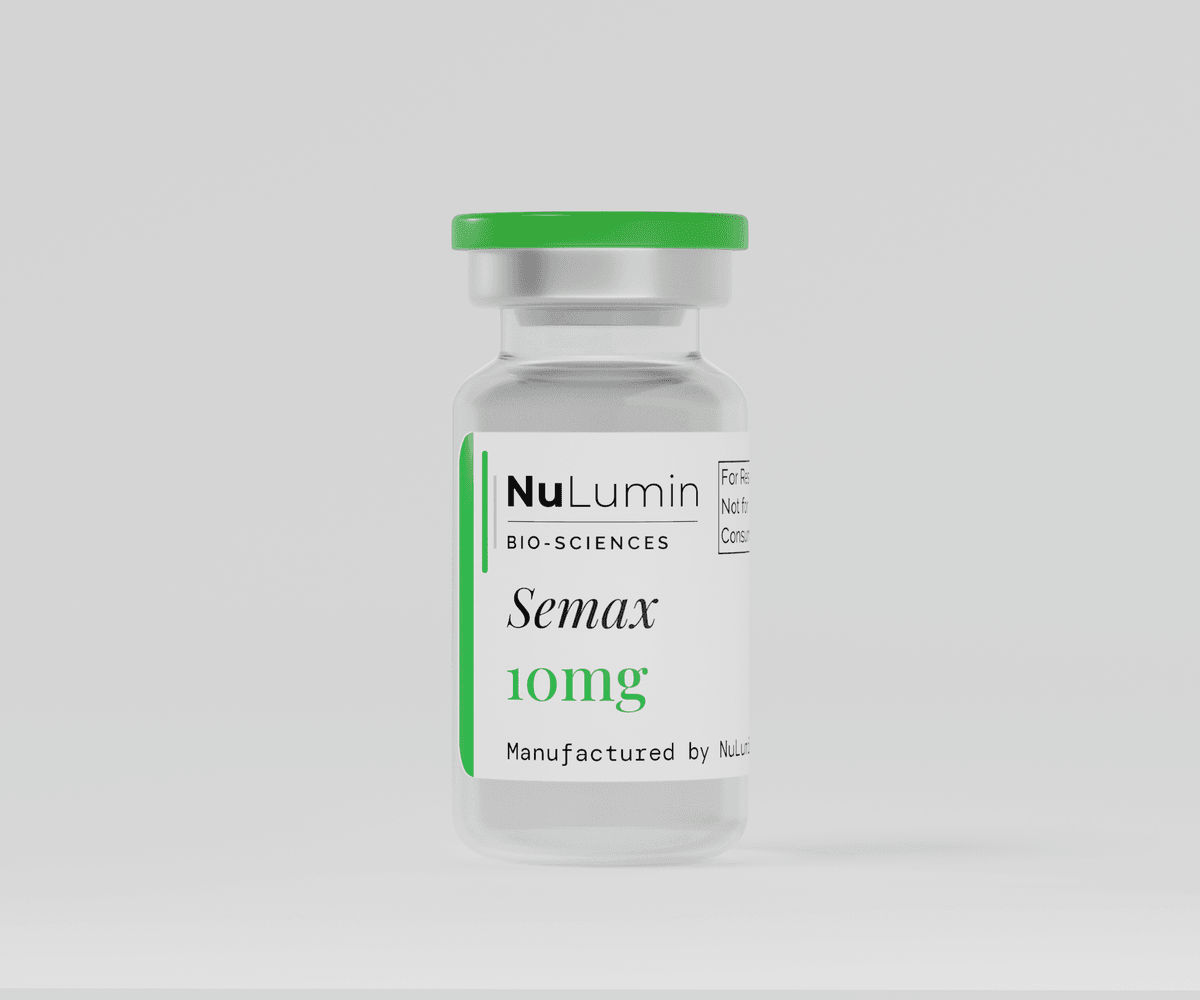
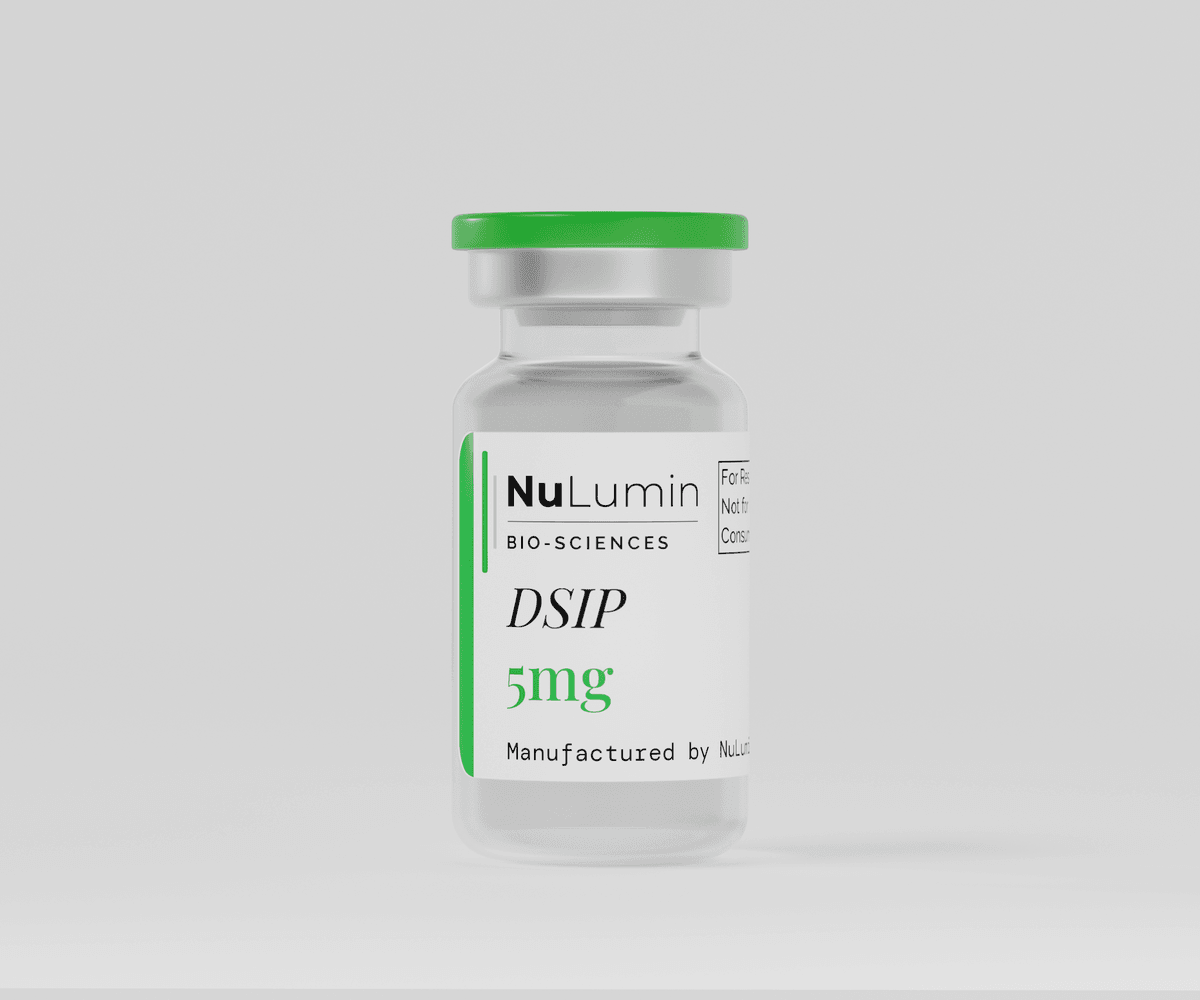
A synthetic fragment of the natural hormone ACTH, modified to last longer, studied in brain-tissue models for its effect on nerve-growth signaling. For research use only.
Mechanism of Action
A peptide studied for nerve-supporting activity, including its effect on the brain growth factors BDNF and NGF.
Research Applications
Neurotrophic factor research
BDNF/NGF expression studies
Synaptic plasticity models
Research Studies
Semax increases BDNF expression in the rat hippocampus and cortex following chronic intranasal administration[1]
This rodent study examined BDNF and TrkB gene expression changes in hippocampal and cortical tissue following 10 days of intranasal semax at 50 ug/kg/day. Northern blot and RT-PCR analysis revealed a 1.6- to 2.2-fold upregulation of BDNF mRNA and a corresponding increase in mature BDNF protein in hippocampal CA1 and cortical layer II-III neurons. TrkB receptor expression also increased in a pattern consistent with compensatory upregulation in response to elevated ligand. Morris water maze performance was improved in semax-evaluated aged rats compared to controls, with a correlation between BDNF levels and spatial memory scores observed across individual animals.
Last verified: 2026-04-03
Neuroprotective effects of semax in a rat model of transient focal cerebral ischemia — BDNF pathway involvement[2]
This study used a middle cerebral artery occlusion (MCAO) rat model to evaluate semax's neuroprotective potential when evaluated in the early reperfusion window. Semax at 50 ug/kg intraperitoneally one hour after MCAO significantly reduced infarct volume by 40% compared to vehicle, as measured by TTC staining at 24 hours. Mechanistic analysis showed semax preserved BDNF signaling in the penumbra region, reduced caspase-3 activation (a marker of apoptotic cell death), and attenuated oxidative stress markers including lipid peroxidation products. The combination of anti-apoptotic and neurotrophic mechanisms was proposed as the basis for the observed neuroprotection.
Last verified: 2026-04-03
References
[1]Dolotov OV, Karpenko EA, Inozemtseva LS, et al. Journal of Molecular Neuroscience. 2006.doi:10.1385/JMN:28:2:153
For Research Use Only. Not for Human Consumption. Not a drug, supplement, or food product. All NuLumin Bio-Sciences products are designated Research Use Only (RUO). Not intended for therapeutic use or diagnostic purposes. Purchasers assume responsibility for ensuring compliance with all applicable regulations.
Add to Cart
Price$45.00
1 unit$45.00/ea
5+ units −10%$40.50/ea
10+ units −20%$36.00/ea
Pricing
10mg$45.00
For Research Use Only. Not for Human Consumption.
Quality Standards
≥98% HPLC-verified purity
Mass spectrometry identity confirmation
Batch-specific COA included
US-based cGMP manufacturing
Related Compounds
More in Neural Research
Neural
Popular
Selank
10mg
$45.00
What it is
A peptide studied in behavior models for calming-type effects and its influence on brain messengers and BDNF.