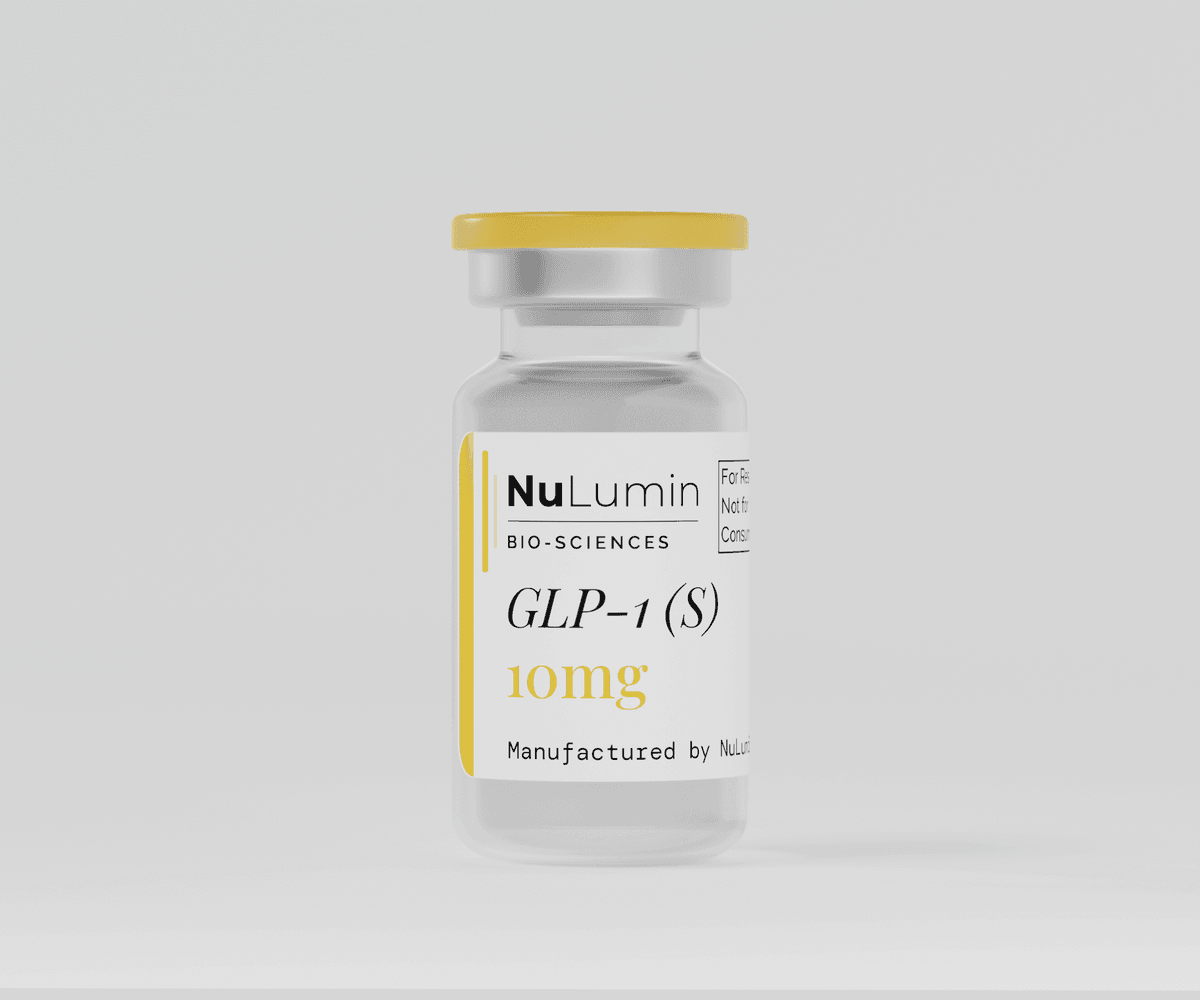
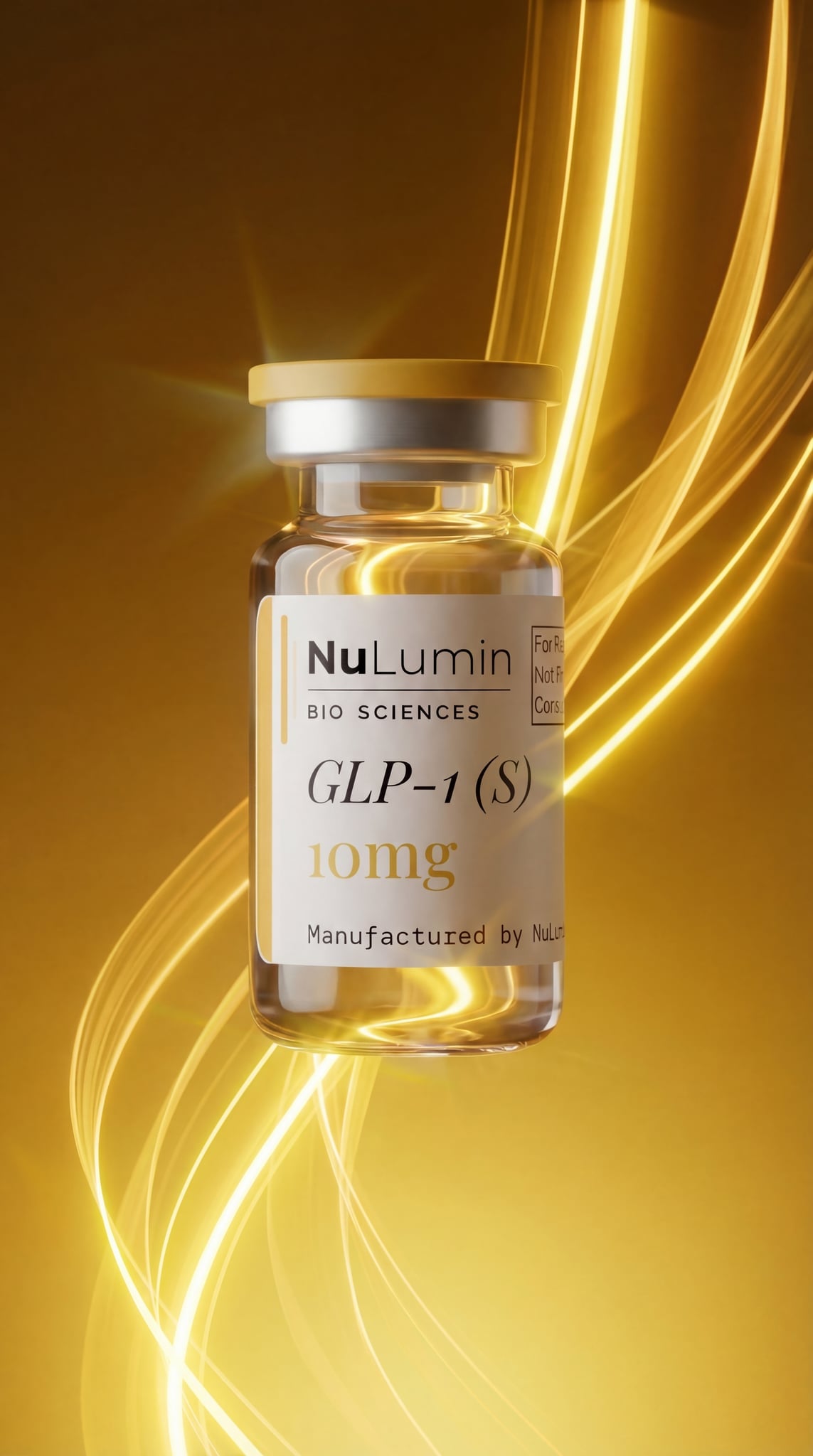
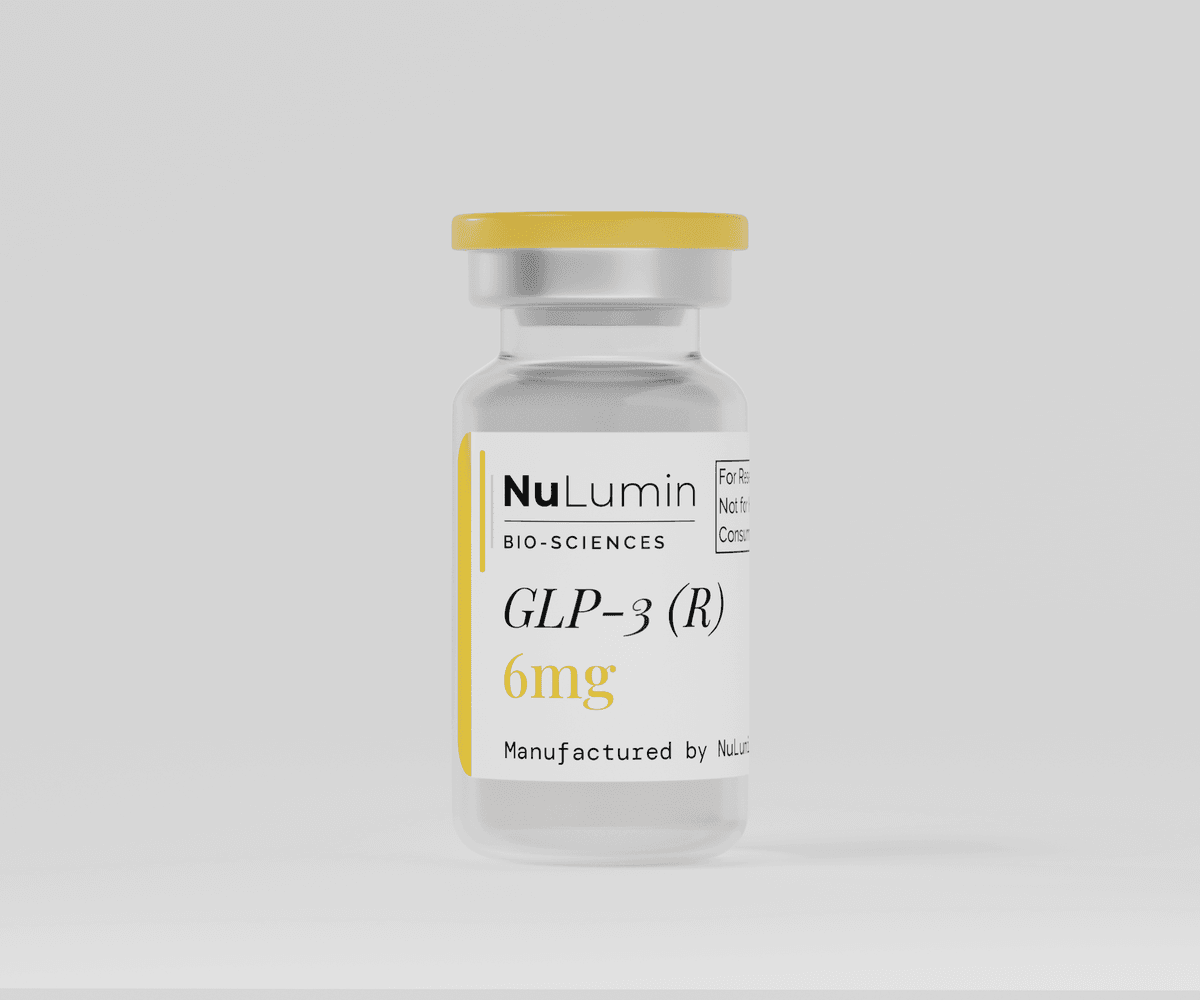
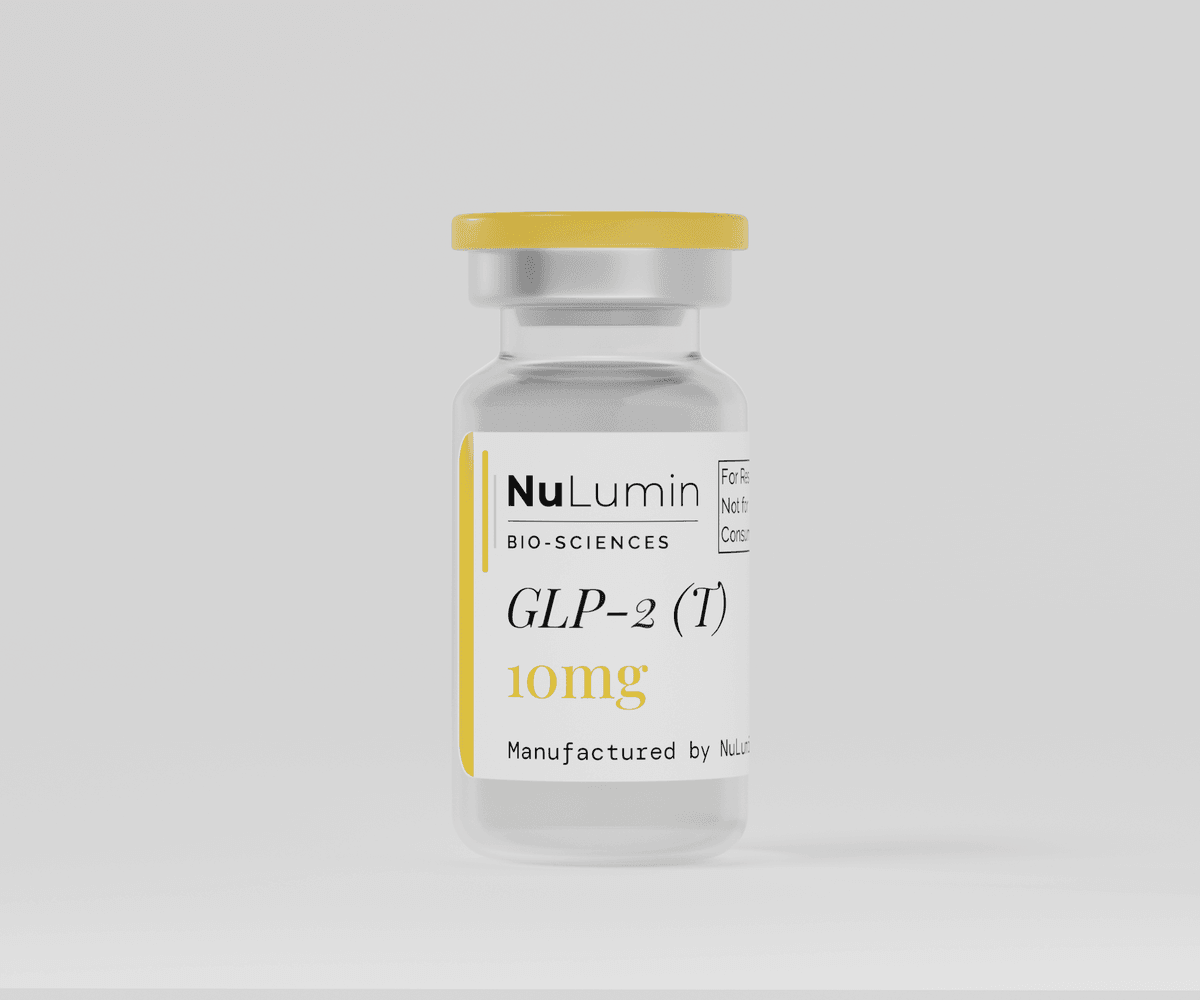
The active form of glucagon-like peptide-1, a natural 'incretin' hormone, studied for its role in glucose-dependent insulin signaling. Freeze-dried powder, ≥98% pure (HPLC). For research use only.
Mechanism of Action
A natural gut hormone studied for how it triggers insulin release in response to glucose.
Research Applications
GLP-1 receptor characterization
Insulin secretion pathway research
Incretin signaling studies
Research Studies
Characterization of the glucagon-like peptide-1 receptor signaling pathway in pancreatic beta-cells: glucose-dependent insulinotropic mechanism[1]
This study characterized the signaling cascade downstream of GLP-1 receptor activation in isolated rat pancreatic islets and INS-1 beta-cell cultures. GLP-1(7-36) amide at physiological concentrations (0.1-10 nM) activated adenylyl cyclase through Gs-protein coupling, increasing intracellular cAMP and activating PKA within 60 seconds of exposure. Importantly, the insulin secretory response was strictly glucose-dependent -- GLP-1 at these concentrations did not stimulate insulin release in the absence of glucose above 5.5 mM, confirming the glucose-gating of its insulinotropic action. The authors identified KATP channel closure and L-type calcium channel activation as downstream effectors linking elevated cAMP to insulin granule exocytosis.
Last verified: 2026-04-03
GLP-1 suppresses glucagon secretion from pancreatic alpha-cells via paracrine somatostatin signaling[2]
The mechanism by which GLP-1 suppresses glucagon secretion was investigated using isolated perfused rat pancreas and sorted alpha-cell preparations. Direct application of GLP-1 to purified alpha-cells did not suppress glucagon secretion despite confirmed GLP-1R expression, leading the investigators to test a paracrine hypothesis. Blocking somatostatin signaling with cysteamine or a somatostatin receptor 2 antagonist abolished GLP-1-induced glucagon suppression, demonstrating an indirect mechanism through delta-cell somatostatin release. These findings resolved the longstanding question of GLP-1's direct versus indirect mechanism at the alpha-cell and have implications for understanding incretin action in metabolic research.
Last verified: 2026-04-03
References
[1]Drucker DJ, Philippe J, Mojsov S, Chick WL, Habener JF. Proceedings of the National Academy of Sciences. 1987.doi:10.1073/pnas.84.10.3434
For Research Use Only. Not for Human Consumption. Not a drug, supplement, or food product. All NuLumin Bio-Sciences products are designated Research Use Only (RUO). Not intended for therapeutic use or diagnostic purposes. Purchasers assume responsibility for ensuring compliance with all applicable regulations.
Add to Cart
Price$80.00
1 unit$80.00/ea
5+ units −10%$72.00/ea
10+ units −20%$64.00/ea
Pricing
10mg$80.00
20mg$130.00
For Research Use Only. Not for Human Consumption.
Quality Standards
≥98% HPLC-verified purity
Mass spectrometry identity confirmation
Batch-specific COA included
US-based cGMP manufacturing
Related Compounds
More in Metabolic Research
Metabolic
Popular
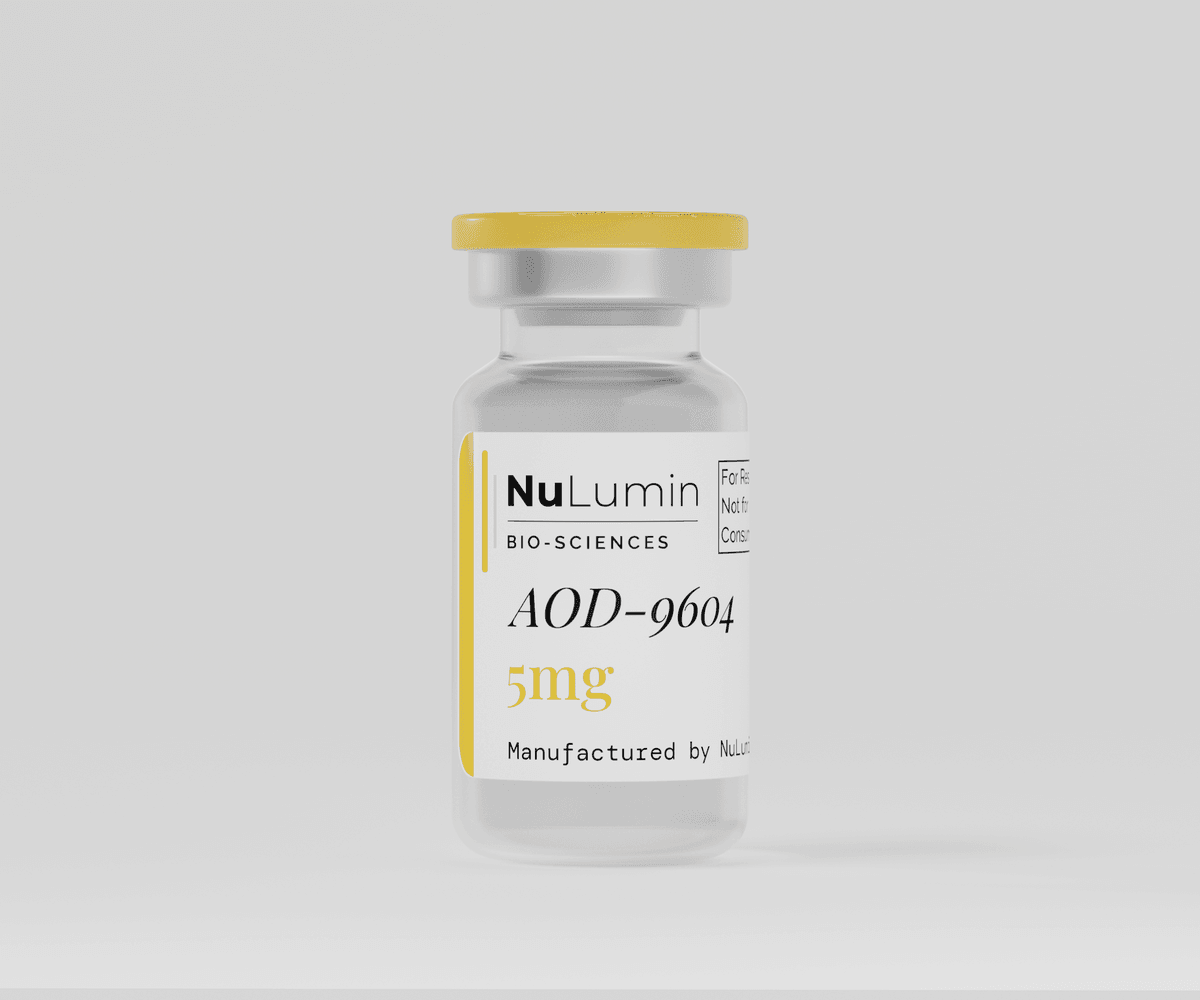
AOD-9604
5mg · 10mg
From $50.00
What it is
A growth-hormone fragment studied for its effect on fat breakdown without raising IGF-1.