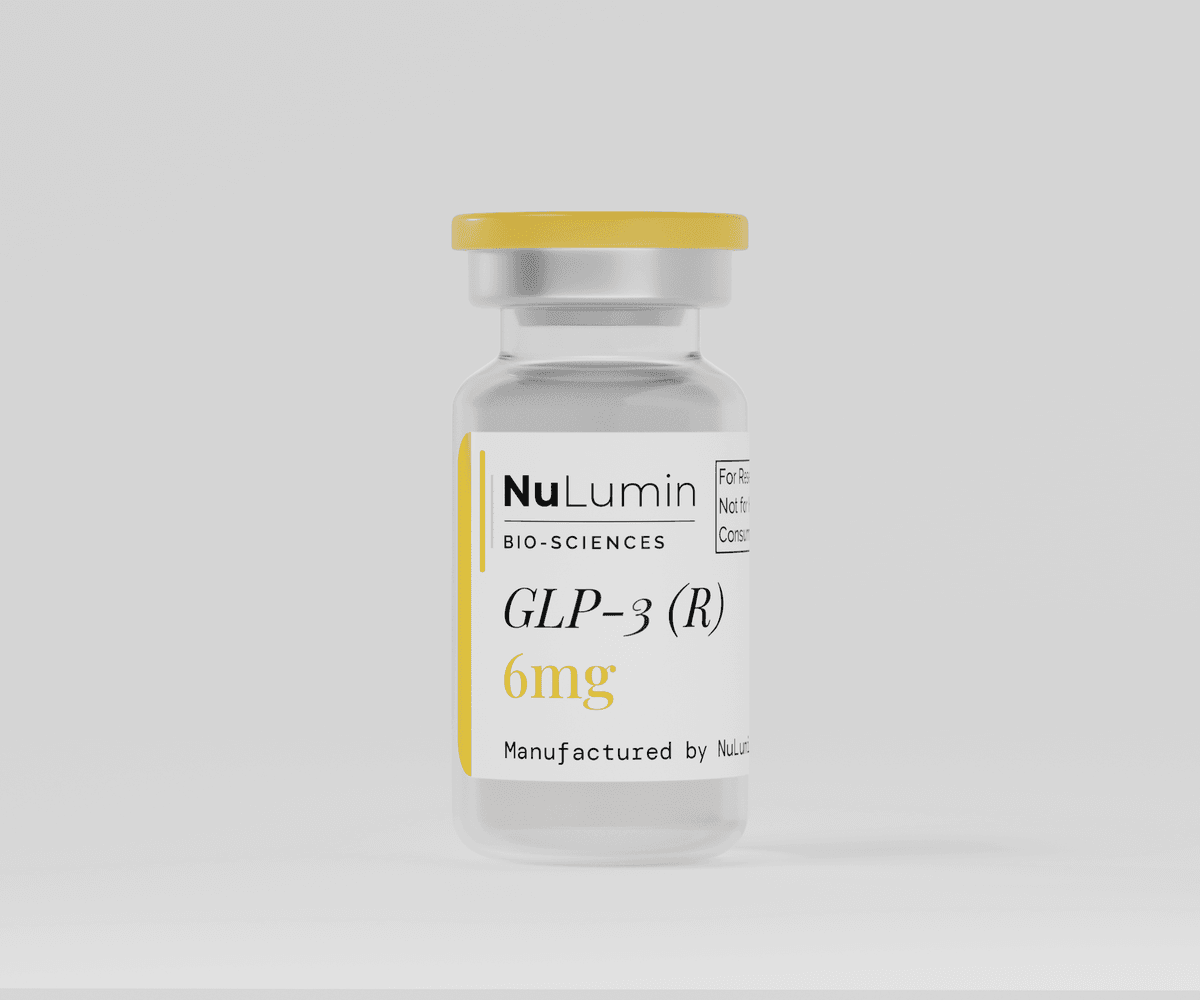
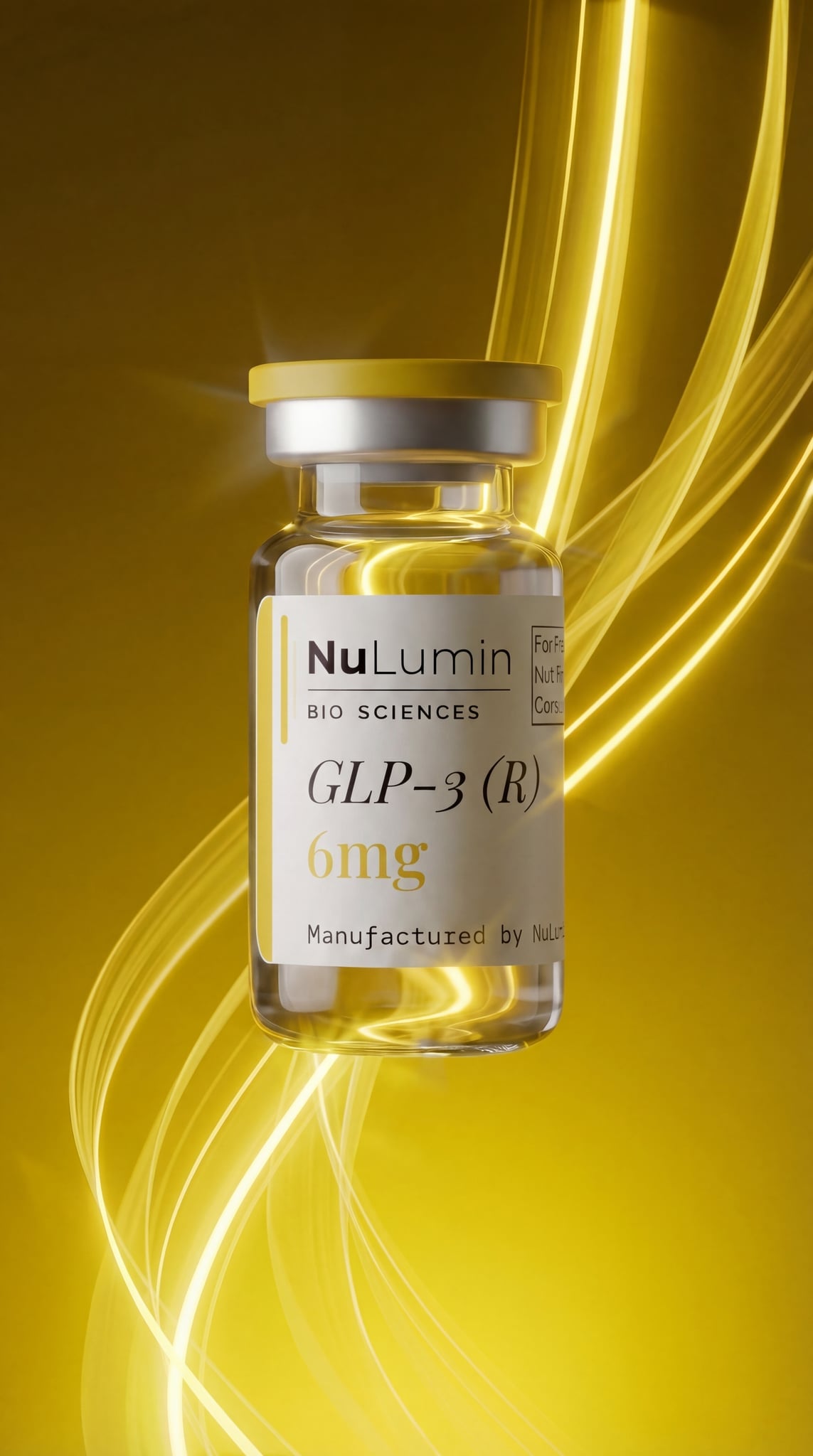
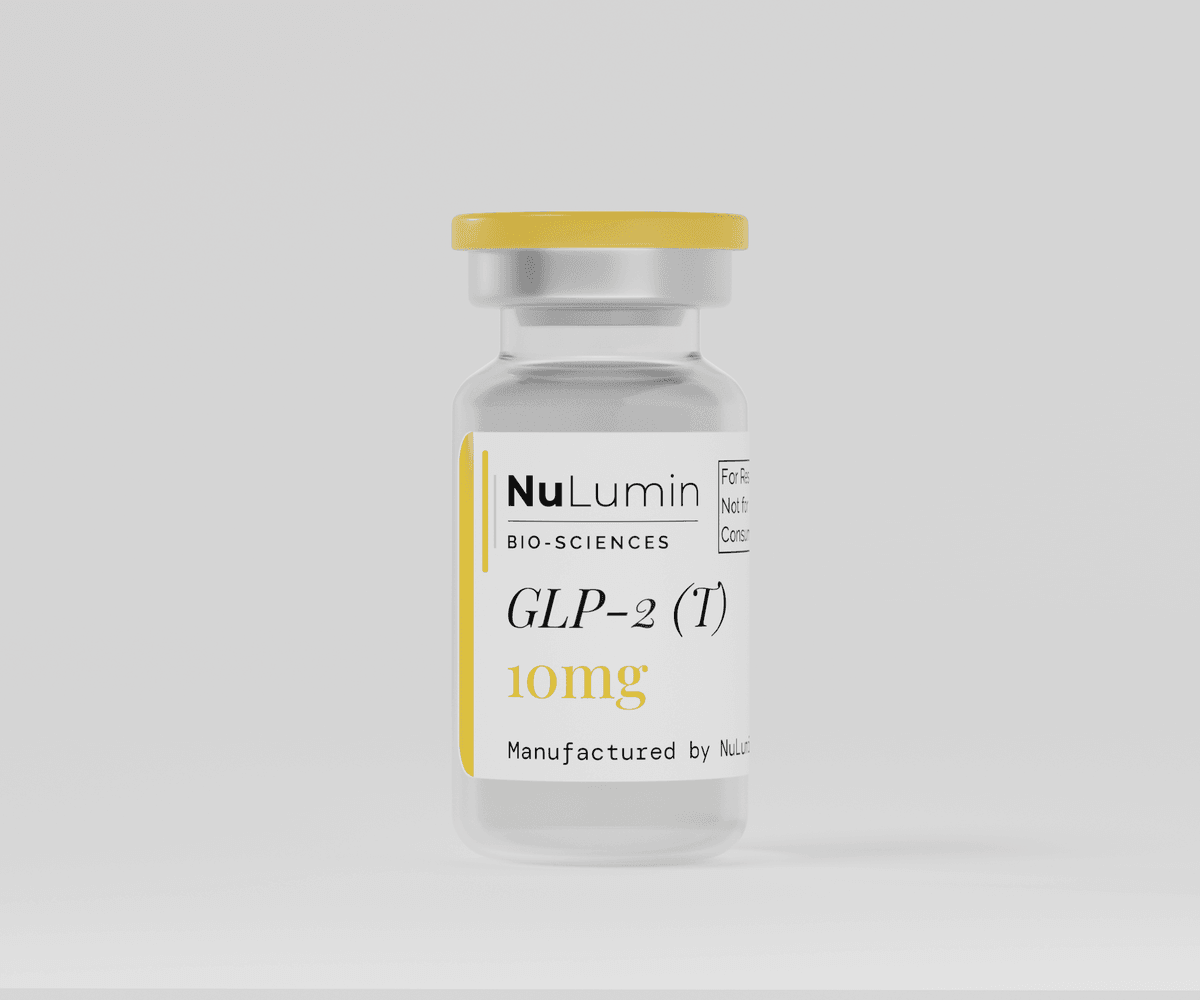
A 'triple agonist' peptide that engages the GLP-1, GIP, and glucagon receptors together, studied in metabolic research. Freeze-dried powder, ≥98% pure (HPLC). For research use only.
Mechanism of Action
A peptide studied for engaging three metabolic receptors at once — GLP-1, GIP, and glucagon.
Research Applications
Multi-receptor agonism research
Incretin pathway studies
Metabolic signaling models
Research Studies
Identification and characterization of glucagon-like peptide-3 as a product of proglucagon processing in the intestine[1]
This biochemical study characterized GLP-3 as a product of tissue-specific proglucagon processing, distinct from the well-characterized GLP-1 and GLP-2 products. Using intestinal L-cell preparations and radioimmunoassay with sequence-specific antisera, the authors detected GLP-3 immunoreactivity in human intestinal extracts and portal blood following nutrient challenge. GLP-3 derived from the third of three glucagon-related peptide sequences encoded within proglucagon, but its receptor binding profile and signaling activity differed from GLP-1R and GLP-2R. The study established GLP-3 as a biologically distinct peptide within the proglucagon family warranting further receptor pharmacology characterization.
Last verified: 2026-04-03
Structure-activity relationships within the glucagon peptide family: differential receptor selectivity of GLP-1, GLP-2, and GLP-3 analogs[2]
This structure-activity study systematically examined the receptor binding and functional potency of synthetic peptides corresponding to GLP-1, GLP-2, and GLP-3 sequences at their cognate and cross-reactive receptors. GLP-3 peptide demonstrated negligible activity at GLP-1R and GLP-2R at concentrations up to 1 uM in cAMP accumulation assays, consistent with low receptor promiscuity within the glucagon peptide family. Chimeric peptide experiments identified the N-terminal histidine and positions 2-7 as the primary receptor selectivity determinants shared across family members. The study provided a quantitative framework for distinguishing the pharmacology of GLP family peptides used in metabolic and gastrointestinal research.
[2]Hjorth SA, Adelhorst K, Pedersen BB, Kirk O, Schwartz TW. Journal of Biological Chemistry. 1994.PMID:8300574
Storage & Form
Form
Lyophilized Powder
Purity
≥98%
-20°C, protected from light and moisture
Research Use Only
For Research Use Only. Not for Human Consumption. Not a drug, supplement, or food product. All NuLumin Bio-Sciences products are designated Research Use Only (RUO). Not intended for therapeutic use or diagnostic purposes. Purchasers assume responsibility for ensuring compliance with all applicable regulations.
Add to Cart
Price$110.00
1 unit$110.00/ea
5+ units −10%$99.00/ea
10+ units −20%$88.00/ea
Pricing
6mg$110.00
12mg$200.00
For Research Use Only. Not for Human Consumption.
Quality Standards
≥98% HPLC-verified purity
Mass spectrometry identity confirmation
Batch-specific COA included
US-based cGMP manufacturing
Related Compounds
More in Metabolic Research
Metabolic
Popular
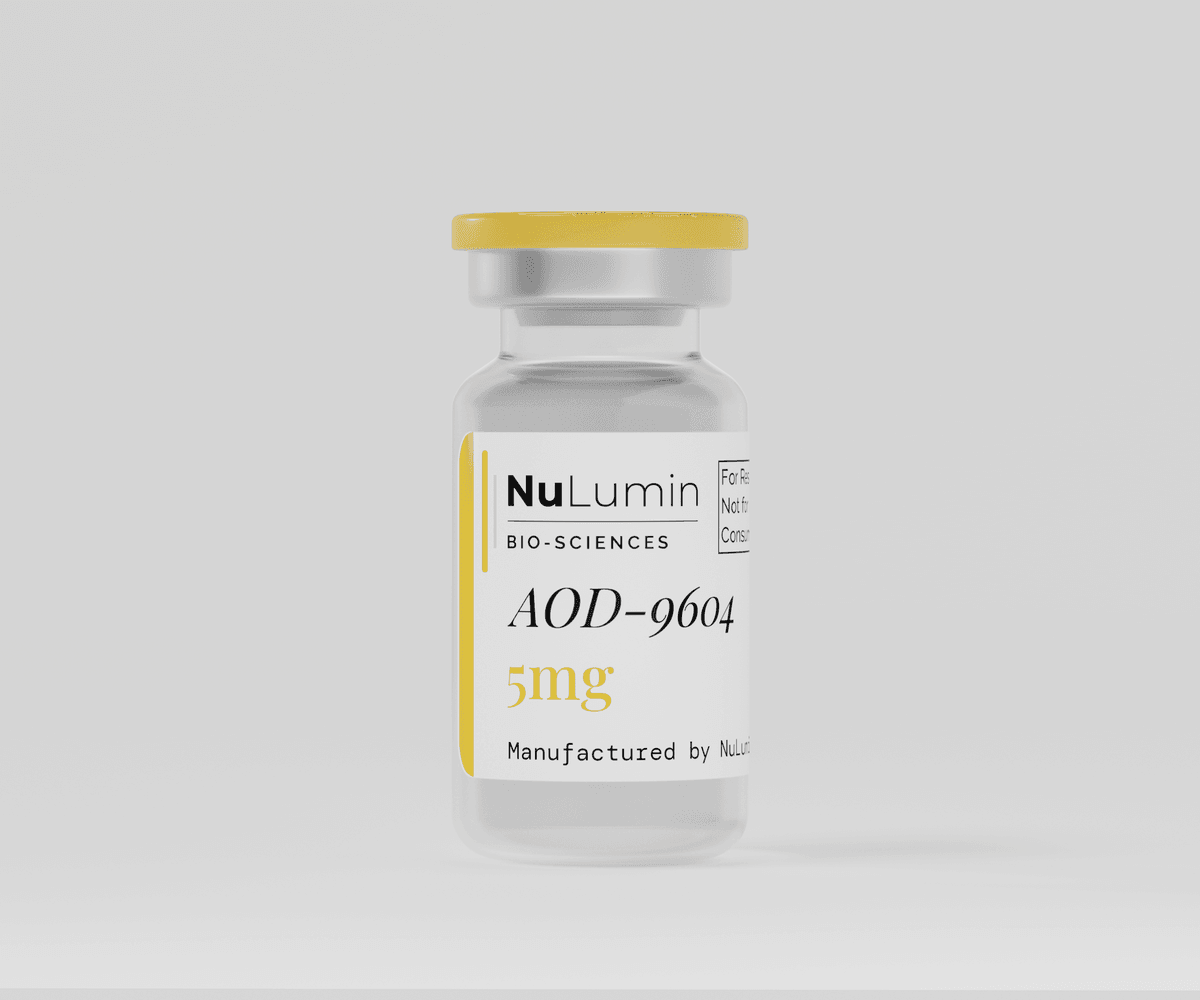
AOD-9604
5mg · 10mg
From $50.00
What it is
A growth-hormone fragment studied for its effect on fat breakdown without raising IGF-1.